
He doesn’t merely perform theatre… he breathes it.”
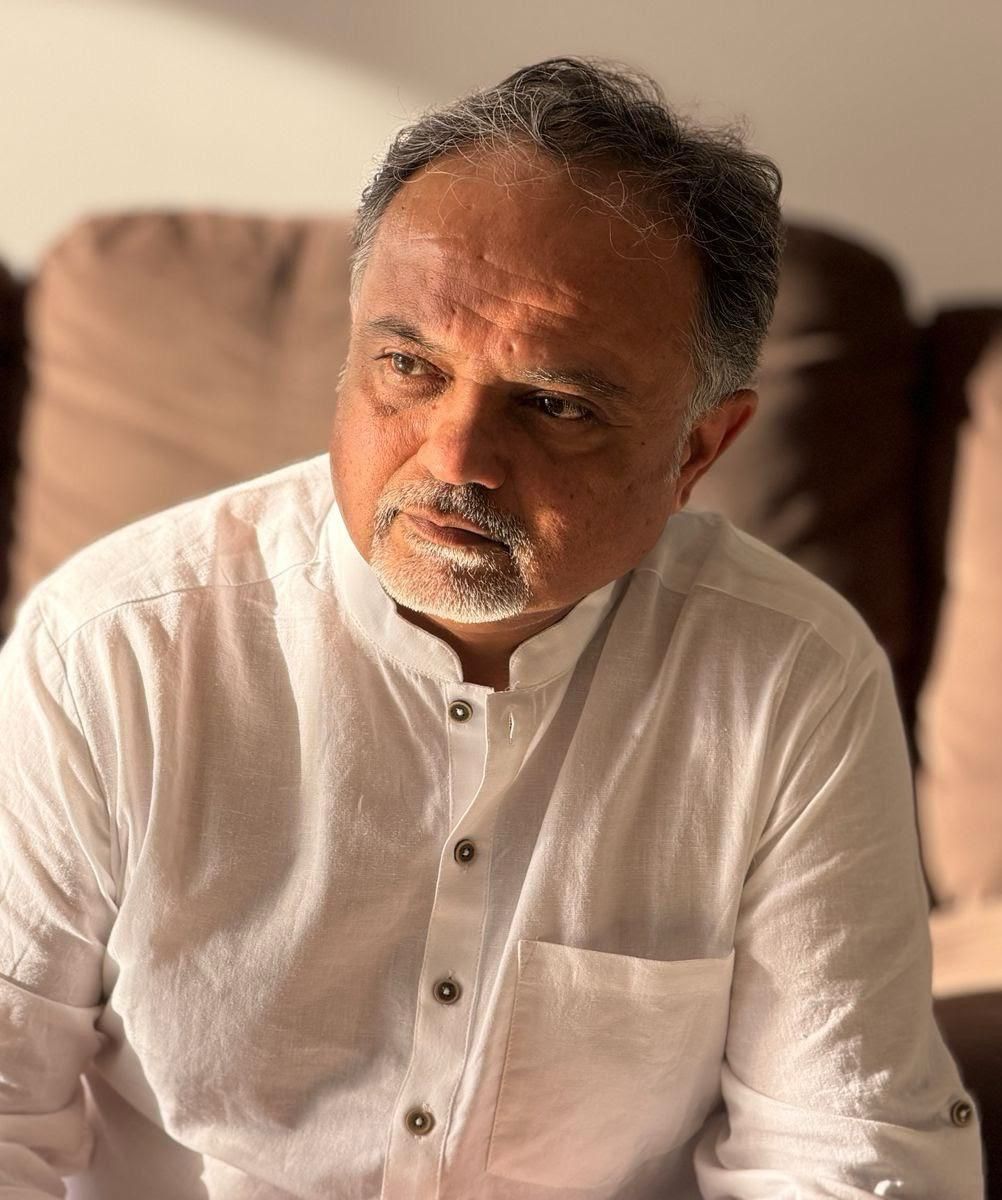
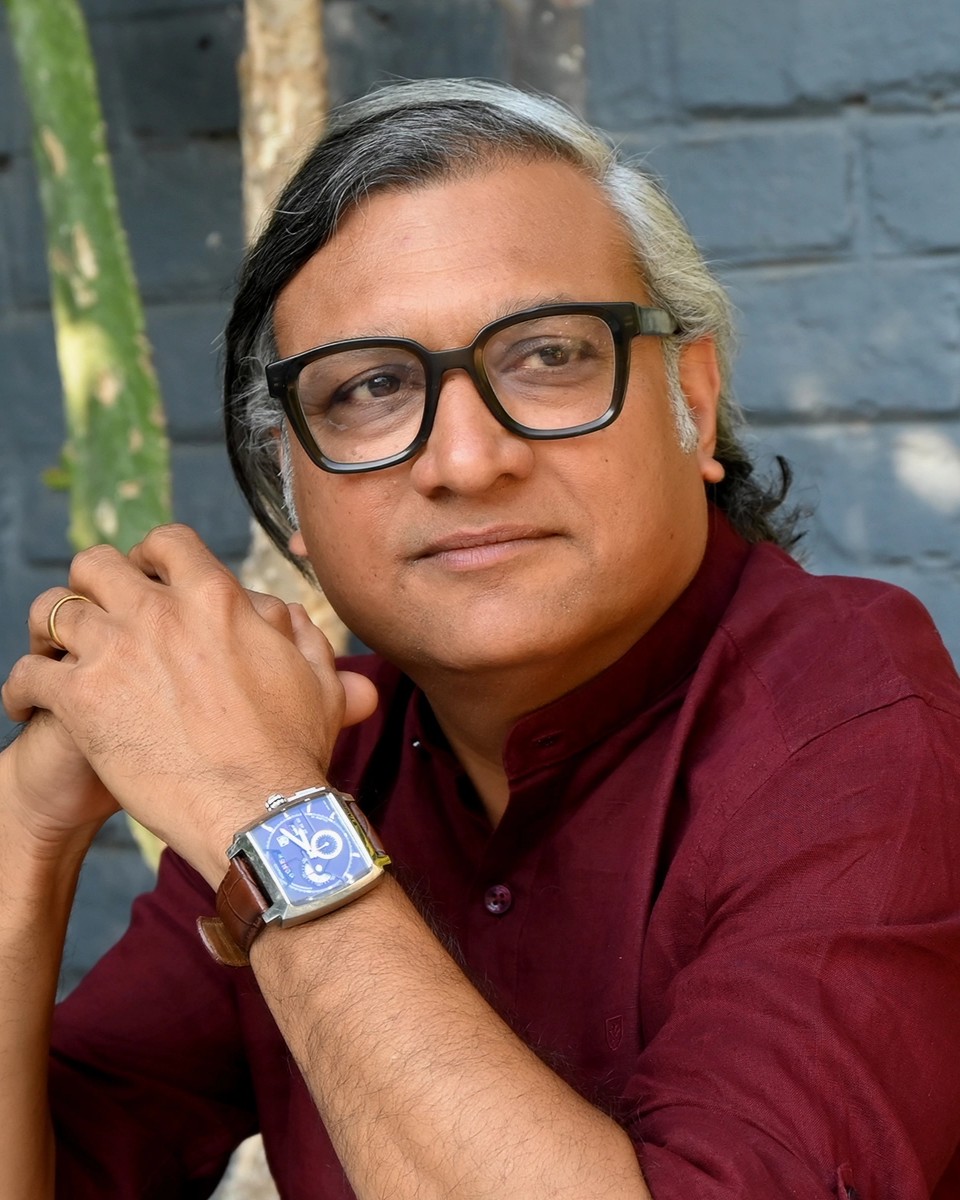
Akhil Pandya is a Toronto-based actor, director, and poet whose artistic journey spans over three decades across professional, commercial, and community theatre in India and Canada. Deeply rooted in the language of performance, his work reflects an enduring commitment to emotionally honest storytelling and the transformative power of theatre.
As an actor, Akhil has portrayed a wide spectrum of characters — from psychologically intense dramatic roles to nuanced, lighter performances — always bringing emotional depth, lived truth, and poetic sensitivity to the stage. His performances often explore themes of longing, identity, relationships, silence, and human fragility, resonating profoundly with audiences in multicultural artistic spaces like Toronto. Over the years, he has been honoured with several theatre acting awards in India for his impactful stage work.
As a director, Akhil is known for crafting deeply human, character-driven narratives that blur the line between realism and poetry. His directorial vision is marked by emotional minimalism, layered symbolism, and a lyrical approach to storytelling. Rather than merely staging plays, he creates immersive emotional experiences that linger long after the curtain falls. His work often examines the incompleteness of relationships, inner conflict, memory, and the unspoken spaces between people.
Beyond theatre, Akhil shares a profound relationship with poetry. A poet at heart, his artistic voice is deeply influenced by literature, philosophy, silence, and the rhythm of everyday emotions. His inclination toward poetry naturally flows into his theatrical aesthetics — making his stagecraft intimate, reflective, and soulfully evocative.
He is actively associated as a director with Sawitri Theatre Group, Mizaaj Arts, and Swar Sadhana Music Lovers Club, contributing significantly to the evolving South Asian theatre landscape in Canada.
Through his work as an actor, director, and poet, Akhil Pandya continues to shape theatre not just as performance, but as a deeply human conversation.